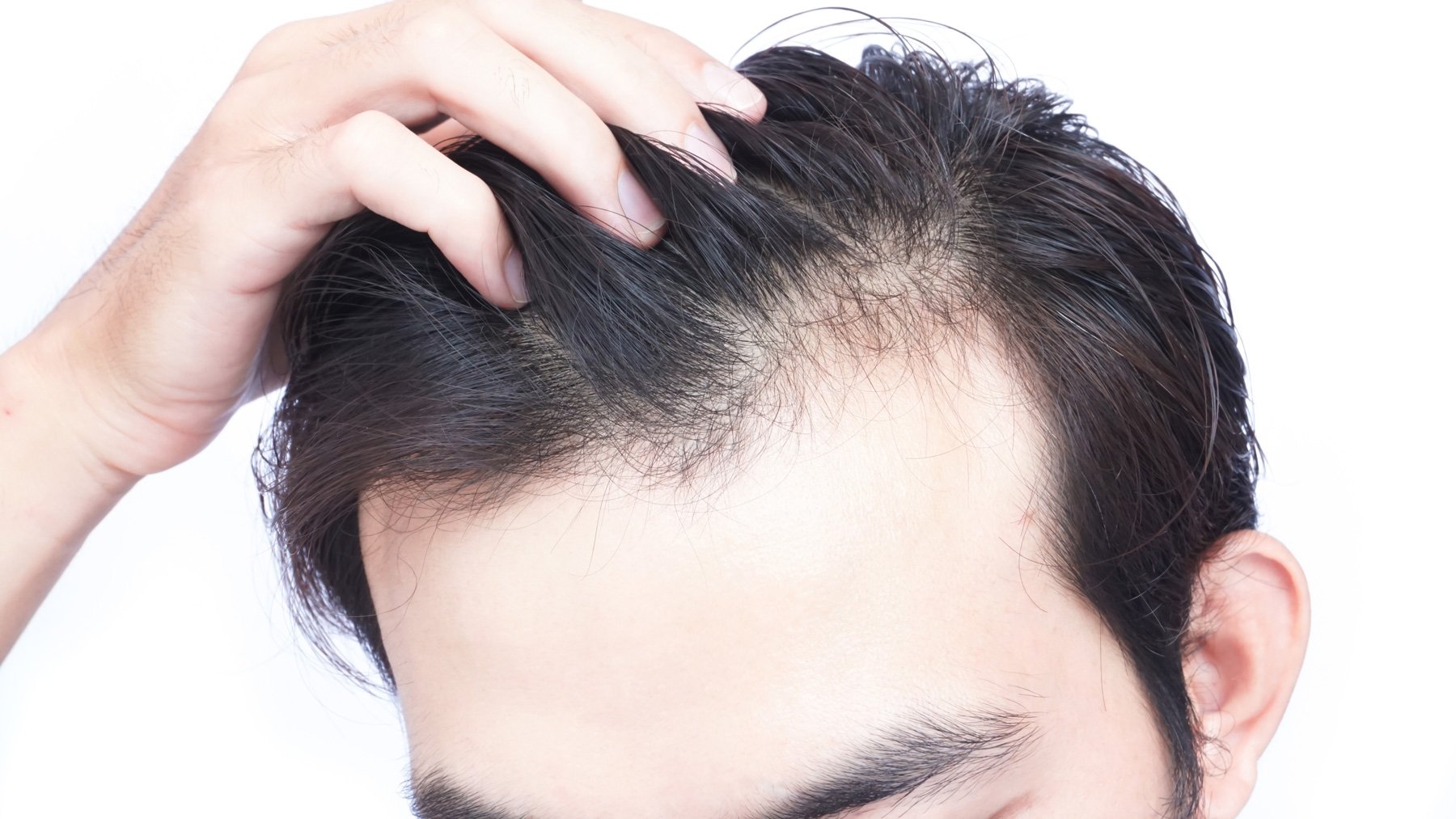
Depending on the severity, hair loss may be mild or patchy, or more significant. Corticosteroids are prescription treatments used for conditions linked to underlying inflammation. Sometimes, inflammatory conditions can cause a variety of symptoms, including hair loss. Shampoos for thinning hair or hair loss also contain vitamins and amino acids to promote a healthier scalp. To get the best results, use these products as directed. Still, there’s not enough evidence that essential oils can treat baldness or thinning hair.
Other treatments
Horseshoes and widow's peaks: Why do men go bald in different patterns? - Salon
Horseshoes and widow's peaks: Why do men go bald in different patterns?.
Posted: Fri, 30 Jul 2021 07:00:00 GMT [source]
Apply it to the root area then gently blow dry to build volume. Let your hair air dry for a while before you use the dryer. Special cosmetics can disguise parts of your scalp that show. But consult your doctor before you start to worry; thinning hair is often reversible, Dr. Simpson says.
Chief Medical Editor, Harvard Health Publishing
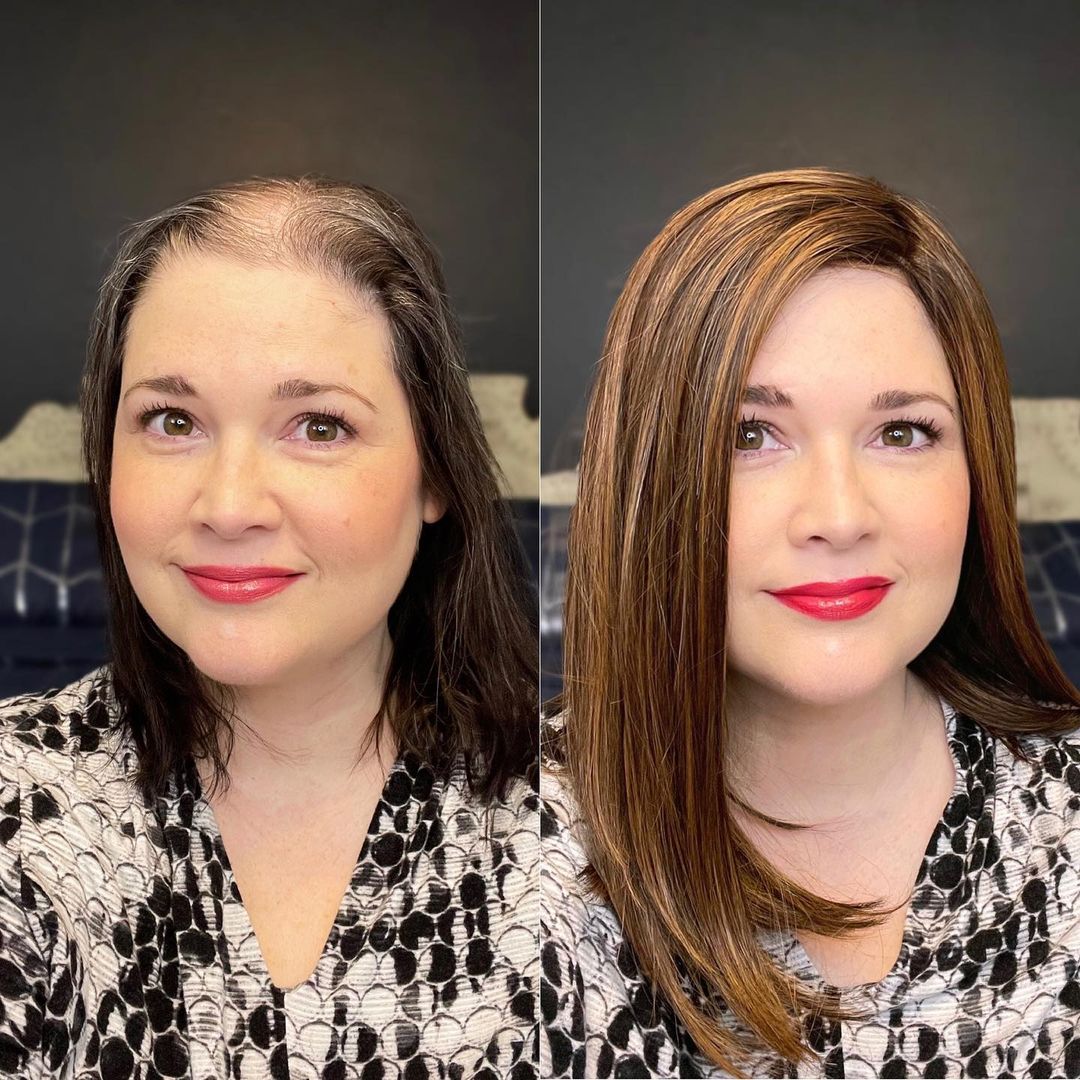
If you don't have bangs, leave a small section out from the left and right side. After you make the ponytail, pull those sections back and secure them behind ears." Keep scrolling for 10 expert-approved hairstyles that can create the optical illusion of a fuller, thicker head of hair. Long, short, bouncy, or sleek, for most women hair is way more than a bundle of fibers.
Try to reduce stress
But if you start to lose your hair, it can really freak you out. A hair transplant is usually not covered by insurance. The cost (often thousands of dollars) is prohibitive for most people.
And still others choose one of the treatments available to prevent further hair loss or restore growth. One should never underestimate the benefits of good old-fashioned head rub. Consistent scalp massages can increase blood flow to the hair follicles along the front of your head, which stimulates healthy hair growth. Male pattern baldness, or androgenetic alopecia, is a hormonal process of hair loss which affects almost all men at some stage in life. By 35, around two-thirds of men will see signs of MPB, whilst by the age of 50 that proportion is up to 85%. That’s because factors like genetics, your nutrition, stress and anxiety, and changes in your hormones, metabolism, or medications can all contribute to thinning hair.
What causes hair loss?
Some types of hair loss are permanent, especially if you have damage to your hair follicles. For example, anagen and telogen shedding may stop with time. Managing any underlying health conditions improves hair loss. And early treatment of alopecia may reduce the speed of thinning and promote regrowth. A healthcare provider can tell you more about what to expect in your situation. There are many causes for thinning hair, including genetics, medical conditions, medications, hormonal changes, and nutritional deficiencies.
How to apply hair growth serums
However, the medication has still been used off-label for years to treat hair loss in women. More research is needed before definitive claims can be made regarding its effectiveness. That said, there are a number of possible medications and treatments for hair loss caused by female-pattern baldness and other alopecias. Female pattern baldness begins in the top-middle portion of your head. This falls around your center part, which is a natural line between the right and left sides of your hair.
TE is typically reversible and often resolves 6–8 months after your body readjusts or the trigger is gone. You can sometimes identify TE by looking at the strand. Yes, hair tends to regrow when you are no longer exposed to the poison. Some people pull on their hair, often to relieve stress. Minoxidil may irritate your scalp and cause dryness, scaling, itching and/or redness.
Medical Conditions
Most people can get the amounts of these vitamins they need by following a balanced diet, but in some cases, a doctor may recommend dietary supplements. Medication such as antidepressants can contribute to hair loss. Normally, hair follicles continually grow strands for approximately two years before taking a brief break in what is known as the ‘telogen’ stage. During this cycle of hair growth, existing hairs remain on the follicle for a period of three months and fall out once the follicle reactivates.
They’ll ask you about your medical history, including when you started noticing hair loss and whether you have a family history of hair loss or baldness. Your provider will note the width of your center part and any areas of your scalp showing signs of thinning or balding. Hair thinning in men usually happens because of male pattern baldness – or androgenetic alopecia, as it’s sometimes known. It’s a hormonal condition that is, unfortunately, par for the course of being a man. According to the American Hair Loss Association, by 35, two-thirds of men will have some sign of hair loss. The most common cause of hair loss in women is female-patterned baldness (androgenetic alopecia).
Sudden hair loss can happen for various reasons, including stress, an underlying condition, and some medical treatments. Anyone who notices sudden, unexpected hair loss should seek medical advice. The body needs nutrients to create new hair strands and maintain healthy hair follicles. Malnutrition, low protein levels, and vitamin deficiencies can increase the risk of hair loss.
Pregnant people shouldn't take it as it can cause birth defects. But, as with multivitamins, there isn’t enough evidence that folic acid is guaranteed to help make your hair thicker. Perhaps the cheapest method of trying to get thicker hair is scalp massage. It doesn’t cost anything, and if done correctly, it isn’t harmful. In a small study of Black American women who had FFA, the ages of the women ranged from 28 to 85 years old. About half of these Black American women were not in menopause when they were diagnosed with FFA.
Produced by an enzyme, 5-alpha reductase, created when your body breaks down testosterone, DHT occurs naturally in your body. The trouble is, as it accumulates, your hair follicles on your scalp become sensitive to it – mainly those follicles above the temples and at the crown. While we know this moment may one day come, hair loss hurts – emotionally and psychologically, if not physically. Collins says that the most common hair loss is often around the front of the hairline and temples. For that reason, soft face-framing layers will make sparse areas seem purposeful. He suggests styling hair with a soft wavy texture to create the illusion of volume.
Stopping some types of birth control pills can cause a temporary hormonal imbalance. Women who develop a hormonal imbalance can develop thinning hair (or hair loss) on their scalp. Telogen effluvium is a type of hair loss that involves rapid hair shedding over a short period. It typically happens a few months after your body goes through something physically or emotionally stressful. Hair loss due to telogen effluvium is usually temporary.
Advanced treatments are available for more serious hair loss. Hormonal imbalances before, during and after menopause can lead to more permanent hair loss, Dr. Simpson says. There are many other potential causes of hair loss in women. Treatment options for hair loss typically depend on the cause.
However, if you’ve noticed more strands falling out of your head than normal, you may be experiencing alopecia, the medical term for hair loss. Common diagnoses include androgenetic alopecia, alopecia areata, telogen effluvium, and lymphocytic scarring alopecia, Agbai tells USA TODAY. Hair loss usually starts to appear near your center part. In the middle and later stages of female pattern baldness, you’ll lose hair on either side of your part and toward the front of your scalp.


No comments:
Post a Comment